Ad Blocker Detected
Our website is made possible by displaying online advertisements to our visitors. Please consider supporting us by disabling your ad blocker.
Oxfam Canada staff, represented by CUPE Local 2722, are on strike after months of bargaining failed to deliver an agreement workers say would treat them fairly. The union says management would not move far enough on wages, equity, and key protections for staff who need support the most.
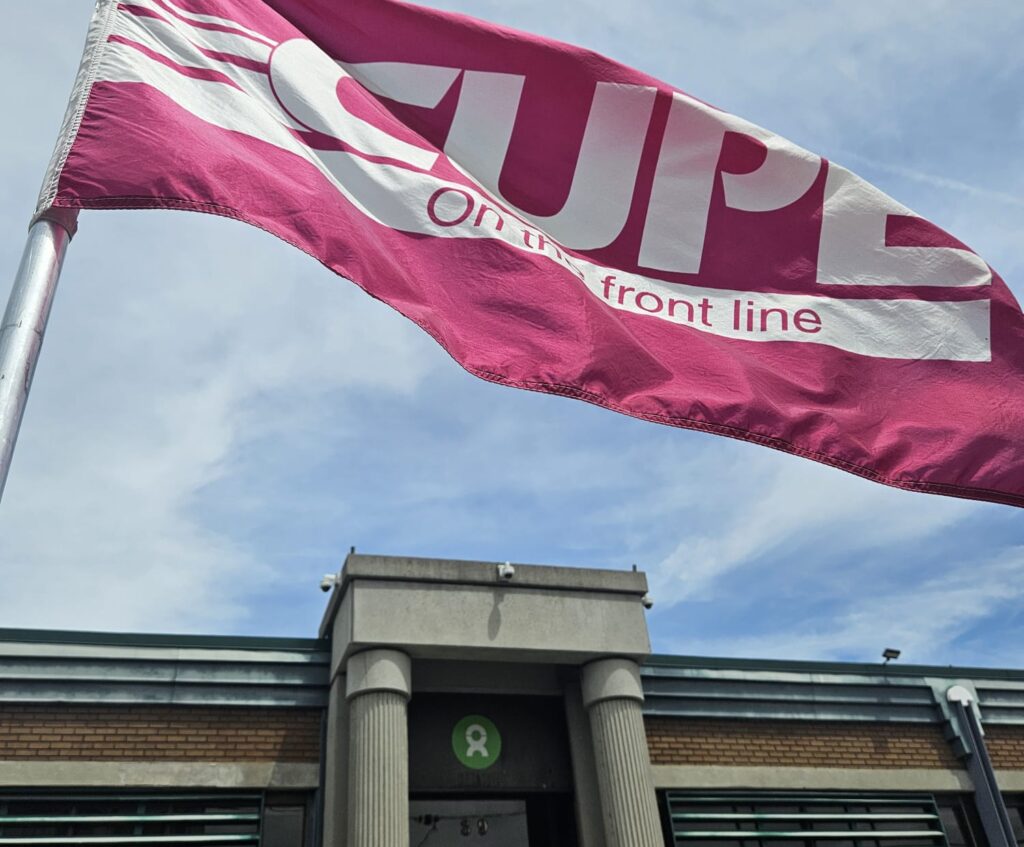
Oxfam Canada staff, represented by CUPE Local 2722, have officially gone on strike after months of collective bargaining failed to produce an agreement that addresses their core concerns. The main sticking points? Fair wage increases, stronger equity provisions—including support for trans-affirming care—and protections for workers affected by domestic and sexual violence.
The dispute is about more than pay. According to the union’s May 12, 2026 offer to settle, workers were pushing for a contract that included fair wage increases, paid leave for trans-affirming care, and paid leave for domestic or sexual violence. The union says those requests were reasonable, practical, and consistent with the values Oxfam Canada promotes publicly.
Why the strike started
The strike began after CUPE said Oxfam Canada refused to address major concerns at the bargaining table. Workers say the employer’s position did not reflect the cost of living, the realities of frontline nonprofit work, or the need for stronger workplace protections.
At the centre of the dispute are three major issues:
- Fair wage increases that keep up with inflation
- Paid trans-affirming care leave for employees who need medical or psychological care
- Paid domestic or sexual violence leave to support workers in crisis
For staff, the strike is about having a contract that matches the organization’s public commitment to justice and equity.
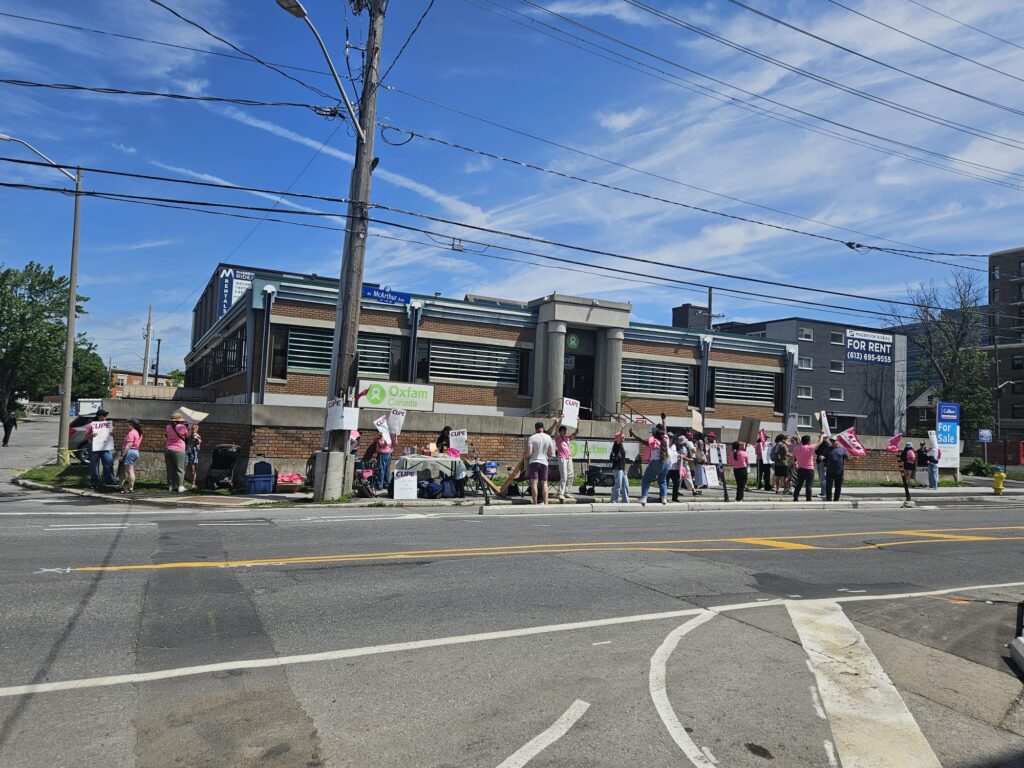
Oxfam Canada staff on strike infront of Oxfam office in ottawa
What the union offered
On May 12, 2026, the union put forward an offer to settle. It was presented as a full package, meaning none of the proposals could be accepted one by one. The union said the employer would need to accept the package in its entirety for there to be a deal.
Wage proposal
The union’s wage proposal covered a two-year term and included:
- April 1, 2025: 2.1% COLA plus 1.4% general wage increase, for a total increase of 3.5%
- April 1, 2026: 2.5% COLA plus 0.5% general wage increase, for a total increase of 3.0%
The union said this would give employees across all classifications a fairer deal in a period of rising prices and financial pressure.
Trans-affirming care leave
The union also proposed a new article for Trans-affirming Care Days. Under that proposal, employees could take up to 10 paid days per year for physical and/or psychological trans-affirming care.
The proposal also included:
- an additional 10 paid days for employees undergoing gender reassignment surgery
- medical documentation only where needed
- confidential handling of personal information
- protection so this new leave would not limit access to other leave entitlements
This was one of the biggest equity issues in the dispute.
Domestic or sexual violence leave
The union also proposed a new paid leave provision for employees affected by domestic or sexual violence. That proposal would give eligible workers up to five paid days per year, in addition to any leave already required under the Employment Standards Act, 2000.
The union said this is a basic support measure that can make a real difference for workers dealing with abuse or violence in their personal lives.
Other union proposals in the settlement offer
The May 12 offer also included several other improvements. These included:
- stronger layoff and recall protections
- better notice requirements before layoffs
- bumping rights for permanent employees
- continuation of benefits during certain layoff periods
- improved vision care coverage
- paramedical service coverage listed in the collective agreement
In the layoff language, the union proposed clearer consultation rules, better severance provisions, and more protection for employees affected by restructuring or loss of funding.
For benefits, the union proposed:
- up to $500 per person per benefit year per specialty for paramedical services
- vision care up to $400 every 24 months for adults
- an optometrist or eye exam allowance of up to $100 over two years
What Oxfam Canada said
Oxfam Canada posted a public statement on collective bargaining with CUPE Local 2722. The organization acknowledged the negotiations, but the strike shows the two sides were still far apart when workers walked out.
CUPE says the employer would not agree to the changes needed to reach a fair settlement.
Why this strike matters
This strike is drawing attention because Oxfam Canada is a global organization that speaks publicly about human rights, fairness, and gender equity. Workers say the same standards should apply inside the organization.
That is what makes the dispute resonate beyond one workplace. It raises a bigger question: if an employer says it stands for justice, what does that look like for its own staff?
For the workers on the line, the answer is simple. They want fair wages, practical leave, and a contract that respects their needs.
Bottom line
Oxfam Canada staff are on strike because, according to the union, management would not make a fair deal. The union brought a full settlement package with wage increases, equity protections, and stronger leave provisions, but the talks did not produce an agreement.
Until that changes, the strike continues—and the pressure is on Oxfam Canada to return with a deal workers can accept.